


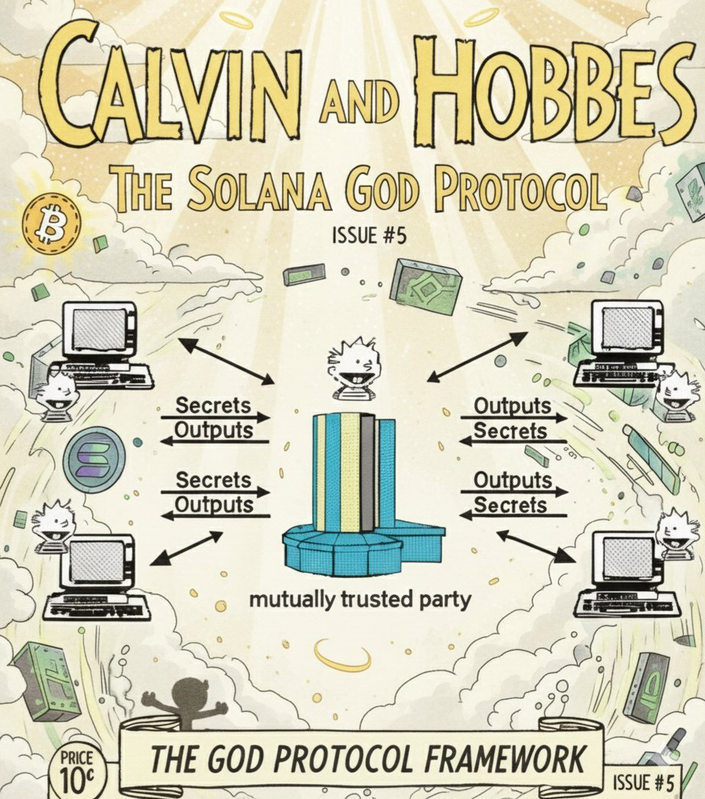











The core story behind $CALVIN casts it as the "original crypto mascot," drawing directly from pioneering
cryptographer Nick Szabo's 1997 essay "The God Protocols."
Szabo, often credited as the father of smart contracts and a rumored influence on Bitcoin's creator
Satoshi Nakamoto, used the paper to outline "God Protocols" - ideal cryptographic systems for secure,
multiparty computations that replace trusted intermediaries (like banks or lawyers) with unbiased,
privacy-preserving algorithms.
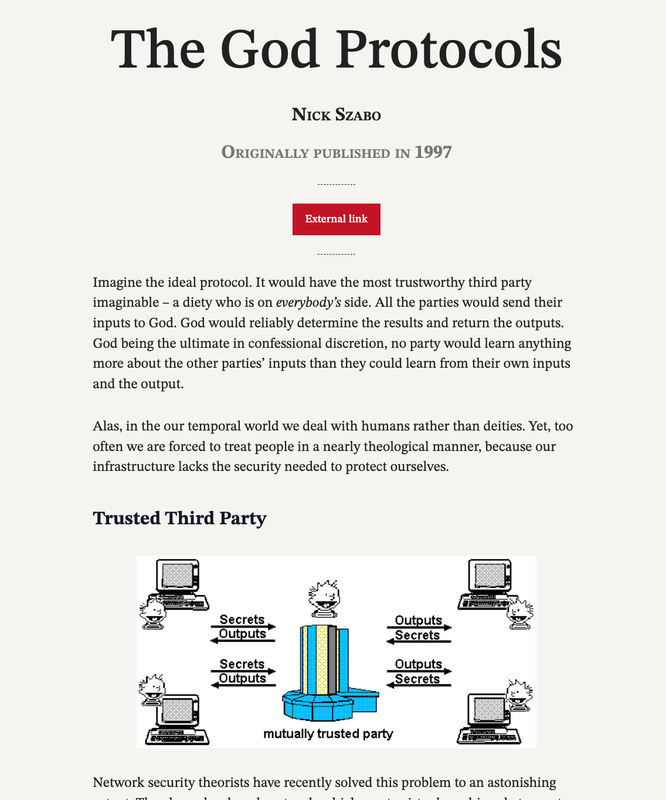
The $CALVIN narrative is a mascot in Szabo's diagrams, illustrating complex ideas like public-key
cryptography and secure exchanges to make them accessible.
This ties into broader crypto history: Szabo's work predates Bitcoin by over a decade, and positioning
Calvin as crypto's "first mascot" gives $CALVIN deep, authentic lore in a sea of shallow memes.
Community posts emphasize it's not just hype - it's "historical authenticity rooted in the 1997 origins of
smart contracts," perfect for the current wave of cartoon-themed Solana tokens (e.g., alongside
$FRANKLIN).
The full paper is available here.
The core story behind $CALVIN casts it as the "original crypto mascot," drawing directly from pioneering
cryptographer Nick Szabo's 1997 essay "The God Protocols."
Szabo, often credited as the father of smart contracts and a rumored influence on Bitcoin's creator
Satoshi Nakamoto, used the paper to outline "God Protocols" - ideal cryptographic systems for secure,
multiparty computations that replace trusted intermediaries (like banks or lawyers) with unbiased,
privacy-preserving algorithms.
The $CALVIN narrative is a mascot in Szabo's diagrams, illustrating complex ideas like public-key
cryptography and secure exchanges to make them accessible.
This ties into broader crypto history: Szabo's work predates Bitcoin by over a decade, and positioning
Calvin as crypto's "first mascot" gives $CALVIN deep, authentic lore in a sea of shallow memes.
Community posts emphasize it's not just hype - it's "historical authenticity rooted in the 1997 origins of
smart contracts," perfect for the current wave of cartoon-themed Solana tokens (e.g., alongside
$FRANKLIN).
The full paper is available here.
Check Eligibility
Check Eligibility
meet
Calvin!
Calvin!
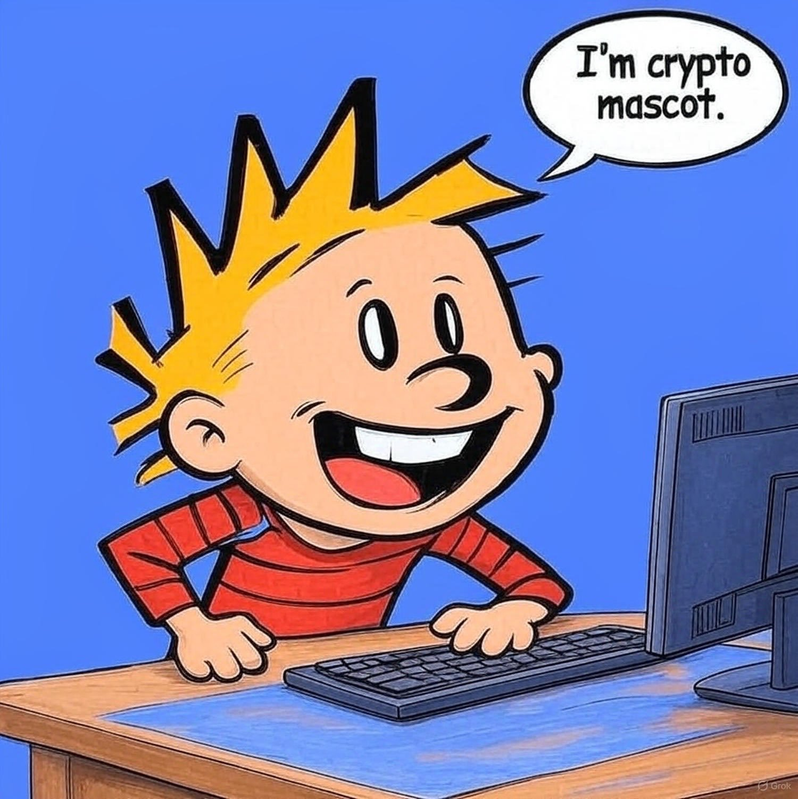
the crypto mascot
The first crypto mascot from Nick Szabo's whitepaper (The
God Protocols 1997) to explain ideal cryptographic systems.
PLEASE KEEP IN MIND THAT CALVIN MEMECOIN ON SOLANA HAVE NO CONNECTIONS TO THE OFFICIAL CALVIN CHARACTER
FROM THE CARTOON “CALVIN AND HOBBES” AND IT IS PURE FUN COIN WITH NO VALUE. IT IS NOT INVESTMENT.
PLEASE KEEP IN MIND THAT CALVIN MEMECOIN ON SOLANA HAVE NO CONNECTIONS TO THE OFFICIAL CALVIN CHARACTER
FROM THE CARTOON “CALVIN AND HOBBES” AND IT IS PURE FUN COIN WITH NO VALUE. IT IS NOT INVESTMENT.
Narrative: The First Crypto Mascot
Narrative: The First Crypto Mascot
The Cartoon: Calvin and Hobbes
The Cartoon: Calvin and Hobbes
The chance of you seeing this sticker on a random car is 100%.
The chance of you seeing this sticker on a random car is 100%.
The "cartoon" element stems from Calvin and Hobbes, the iconic 1985–1995 newspaper comic strip by Bill
Watterson. It follows the misadventures of Calvin: a hyper-imaginative, mischievous 6-year-old boy -
and his stuffed tiger Hobbes, who comes alive as a sarcastic philosopher in Calvin's world.
Known for its witty satire on childhood, philosophy, science, and society, the strip ran in over 2,400
newspapers and sold 45M+ books, but Watterson famously refused merchandising to preserve its
integrity.
Calvin's character is featured in Szabo's paper diagrams to simplify crypto explanations - like a kid
tinkering with "transmogrifiers" (Calvin's invention for shape-shifting), mirroring secure protocol
transformations.
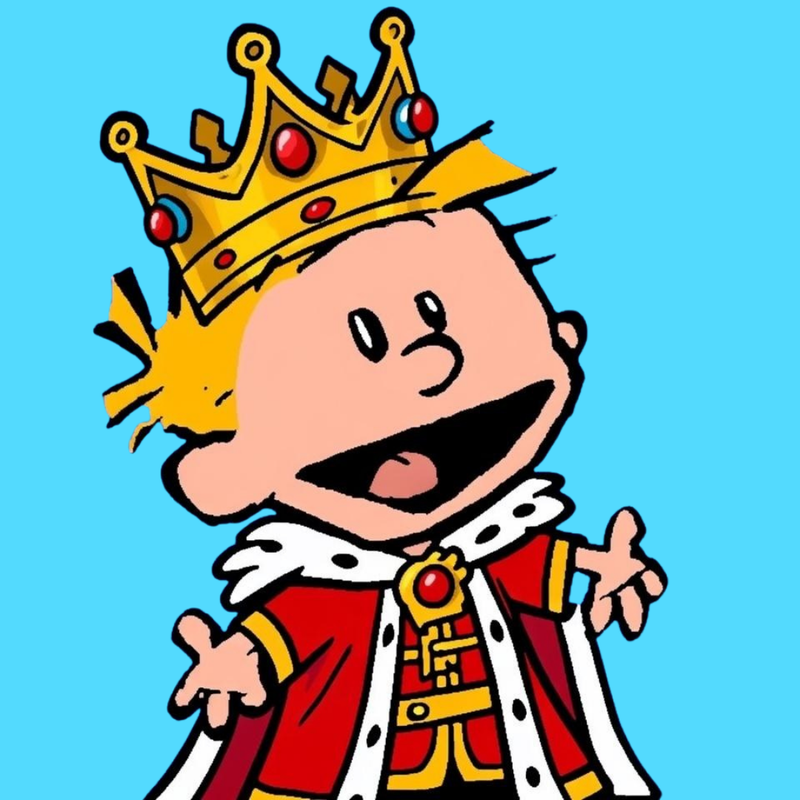
Community art and memes reimagine Calvin in crypto scenarios: signing smart contracts or debugging
blockchain bugs with childlike wonder. This blends the strip's themes of imagination and rebellion with
crypto's disruptive ethos, making $CALVIN a nostalgic nod to 90s culture in a 2025 bull run.
The "cartoon" element stems from Calvin and Hobbes, the iconic 1985–1995 newspaper comic strip by Bill
Watterson. It follows the misadventures of Calvin: a hyper-imaginative, mischievous 6-year-old boy -
and his stuffed tiger Hobbes, who comes alive as a sarcastic philosopher in Calvin's world.
Known for its witty satire on childhood, philosophy, science, and society, the strip ran in over 2,400
newspapers and sold 45M+ books, but Watterson famously refused merchandising to preserve its
integrity.
Calvin's character is featured in Szabo's paper diagrams to simplify crypto explanations - like a kid
tinkering with "transmogrifiers" (Calvin's invention for shape-shifting), mirroring secure protocol
transformations.
Community art and memes reimagine Calvin in crypto scenarios: signing smart contracts or debugging
blockchain bugs with childlike wonder. This blends the strip's themes of imagination and rebellion with
crypto's disruptive ethos, making $CALVIN a nostalgic nod to 90s culture in a 2025 bull run.
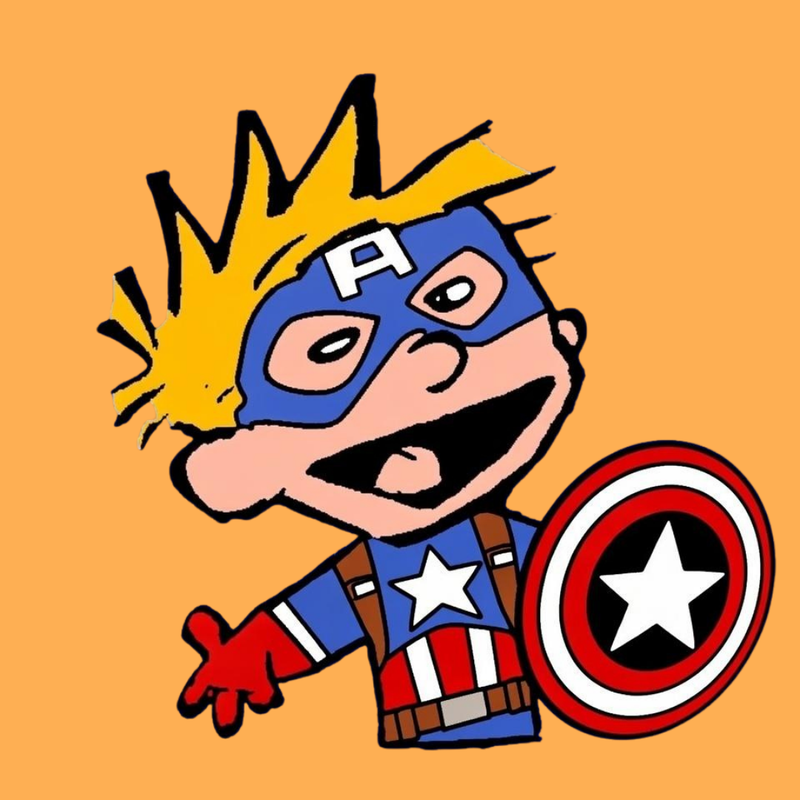
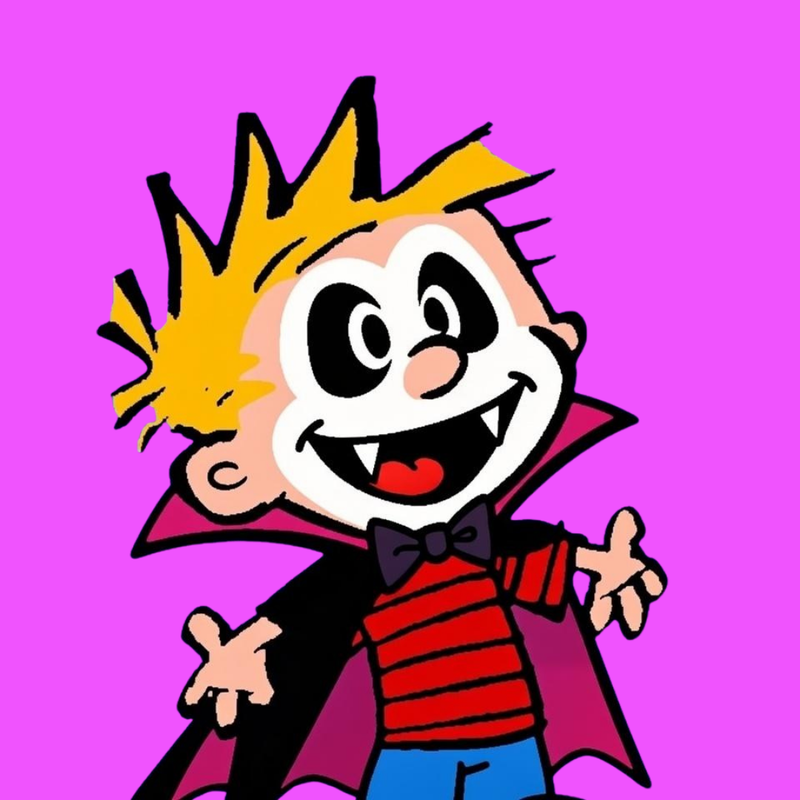
NFTs: Calvin Genesis Collection
NFTs: Calvin Genesis Collection
From the community, to the community!
From the community, to the community!
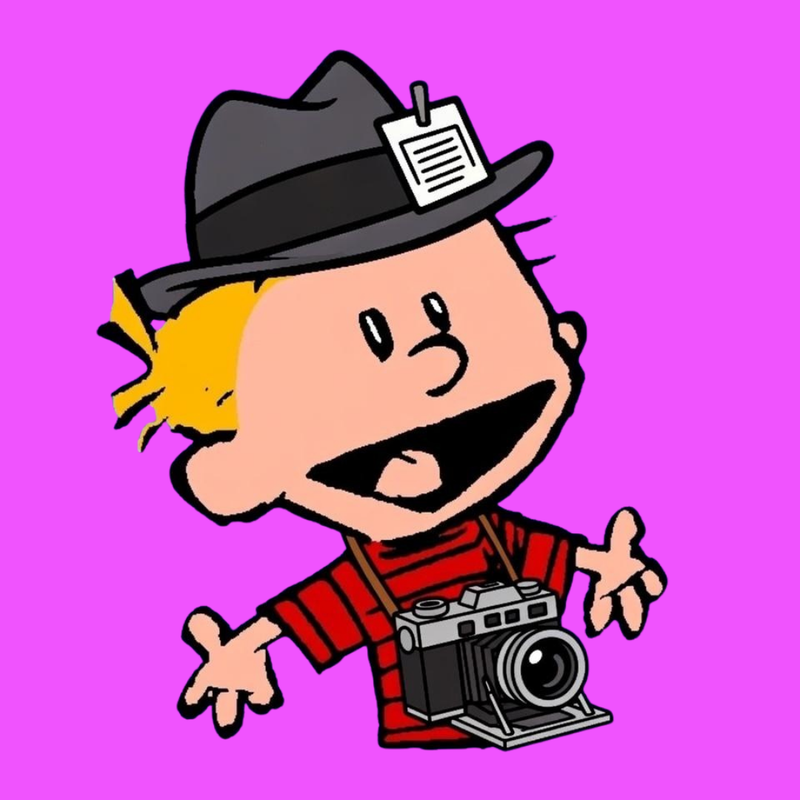
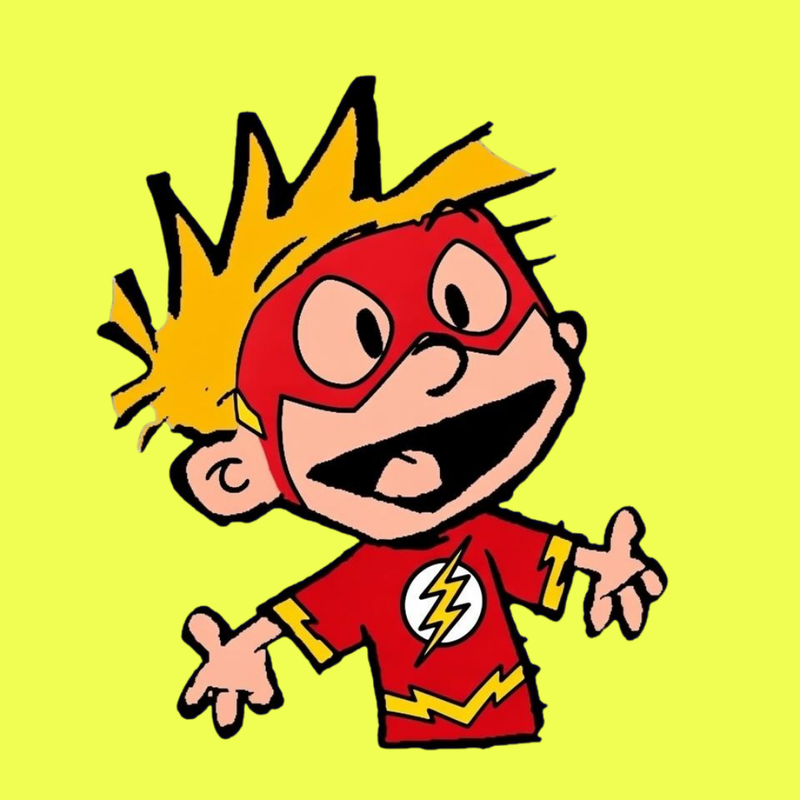
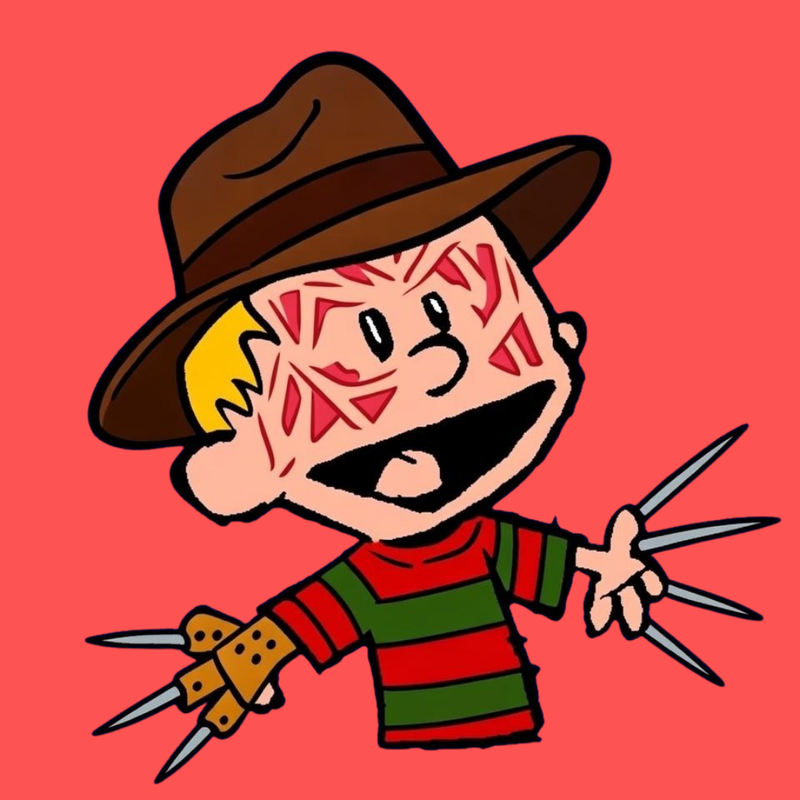
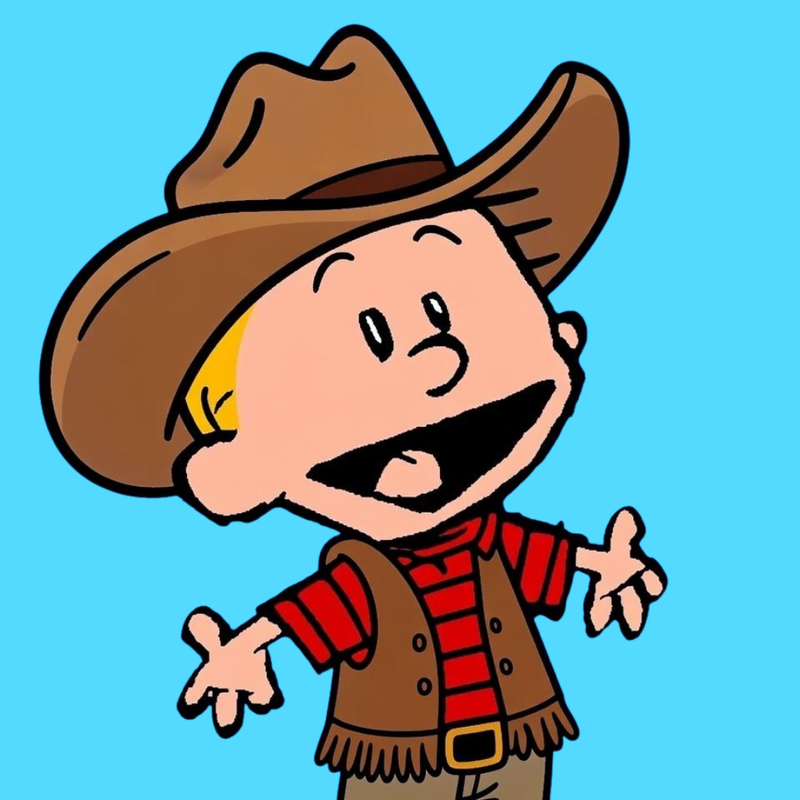
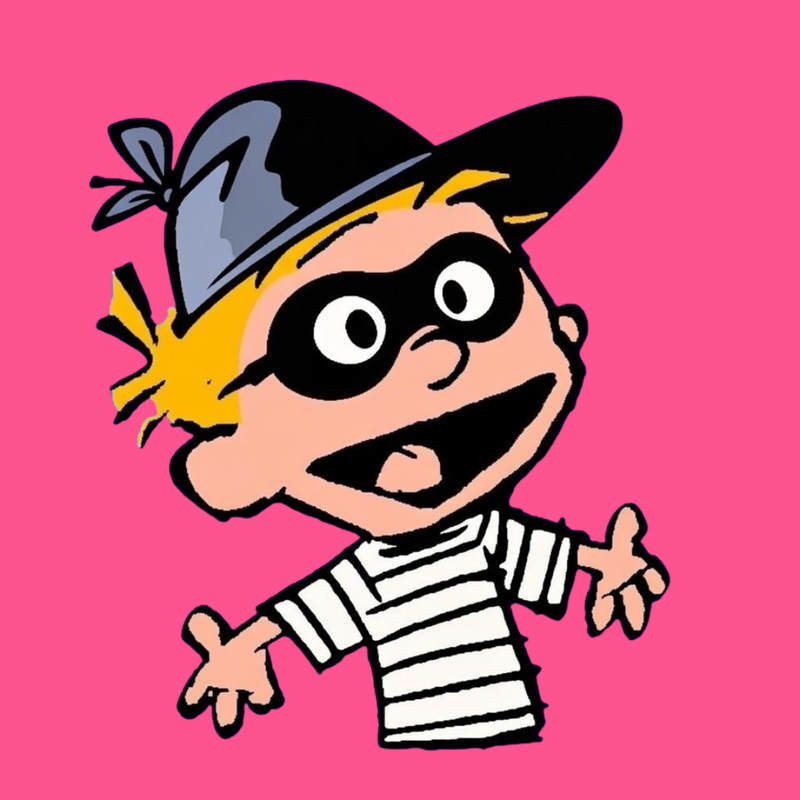
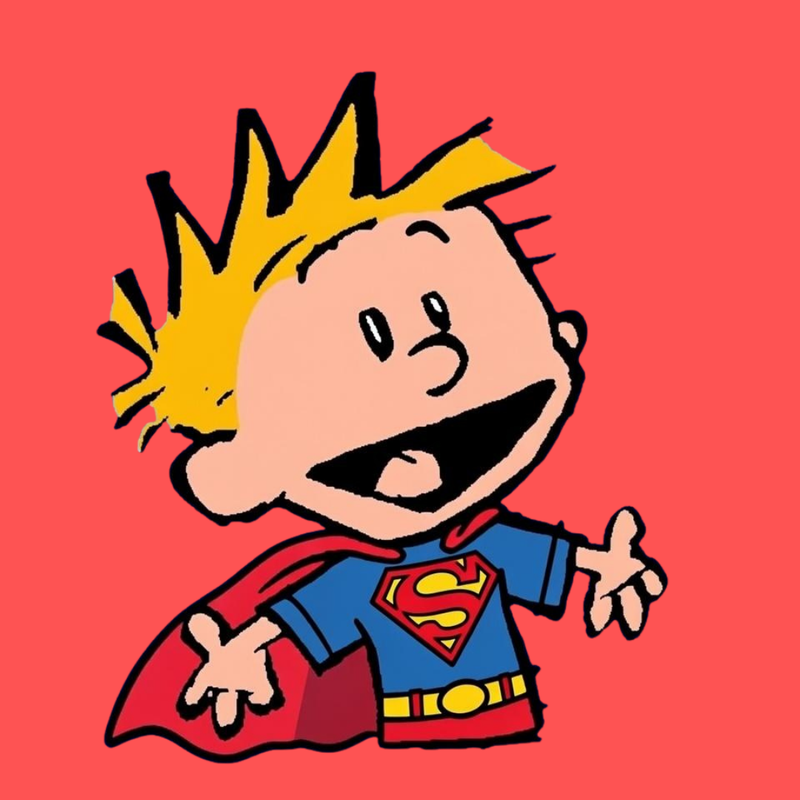
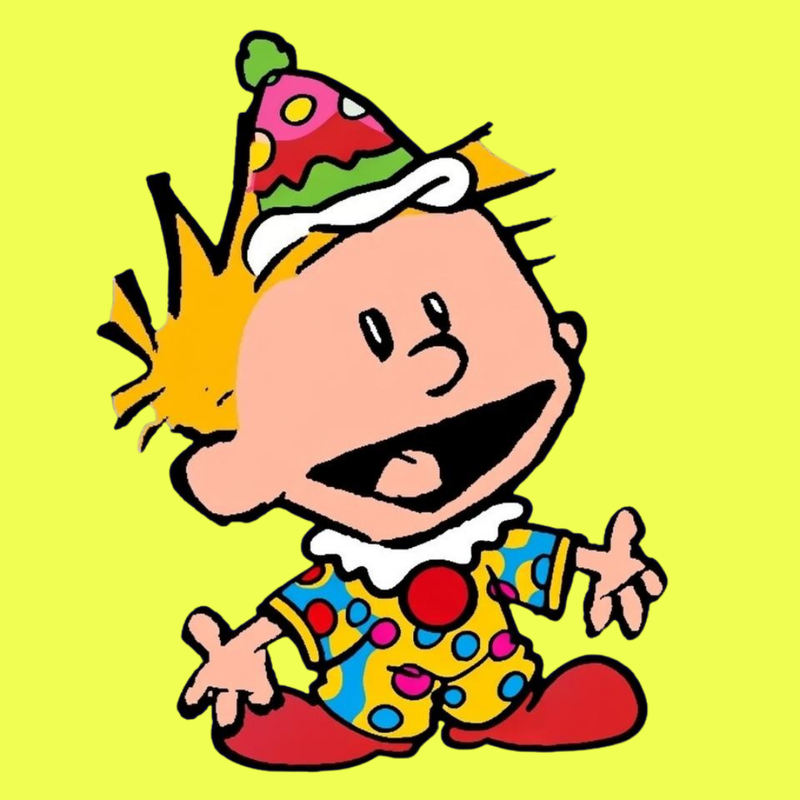
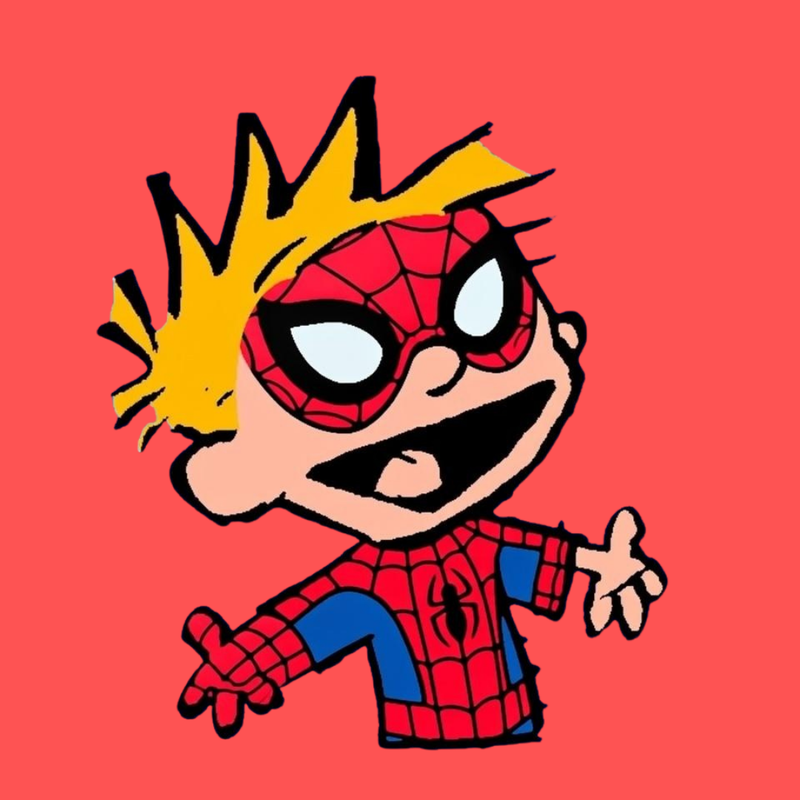
The big thing about this Genesis collection is that it is mostly made by the
community. From the beginning community is posting Calvin edits.
The big thing about this Genesis collection is that it is mostly made by the
community. From the beginning community is posting Calvin edits.
TOP 60 HOLDERS
TOP 60 HOLDERS
60 NFTs
60 NFTs
20 NFTs
20 NFTs
20 NFTs
20 NFTs
ACTIVE MEMBERS
ACTIVE MEMBERS
MARKETING/GIVEAWAYS
MARKETING/GIVEAWAYS
NFT AIRDROP DISTRIBUTION:
NFT AIRDROP DISTRIBUTION: